What do we do? How do we stop these injustices? What can *I* do?
If you’re anything like me, these questions have been circling in your head non-stop lately. I feel overwhelmed, helpless. I’ve seen post after post from others echoing the same thoughts—especially from folks in marginalized communities: disabled people, people of color, those living paycheck to paycheck. People like me, who are in vulnerable situations, and others facing different but connected struggles.
I’m a disabled, non-binary, neurodivergent veteran. My family scrapes by. We can’t afford to financially support every justice cause we care about. My disabilities make it hard—often impossible—to attend protests or marches. And honestly, I’m scared. Scared for myself, for my family. So again: what can I do?
For me, art and craft have always been a kind of therapy. A coping mechanism. Something to ground me when the anxiety hits hard. But recently, someone on Bluesky shared the story of Major Alexis Casdagli, and it lit something up in me.
Casdagli was a British POW during WWII. While imprisoned by the Nazis, he made cross-stitch pieces—seemingly harmless embroidery—but secretly embedded messages of resistance. One of his most well-known works reads:
“This work was done by Major A.T. Casdagli. No.3311. While in captivity at Dossel-Warburg Germany. December 1941.”
But hidden in the border, in Morse code:
“God Save the King”
“Fuck Hitler.”
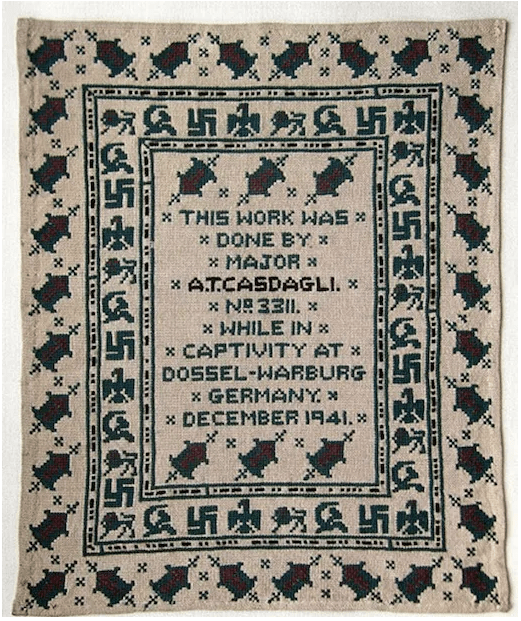
The absolute best part? The Nazi guards hung it on the wall, totally unaware of the subversive message. Just like they had no idea that Major Casdagli became a spy for MI19 while a POW!
Spy work aside, even his cross stitch pieces—seemingly innocuous—were powerful. They helped him cope with captivity, sparked hope, and served as a quiet but lasting record of what was happening.
That’s the kind of inspiration I need right now. I may not be able to spy or donate money—but I can craft like nobody’s business.
So I started digging. I looked for more stories like Casdagli’s. Turns out there’s a rich, global history of resistance through craft—from wartime acts of defiance to modern movements weaving justice into every stitch. It’s called Craftivism.
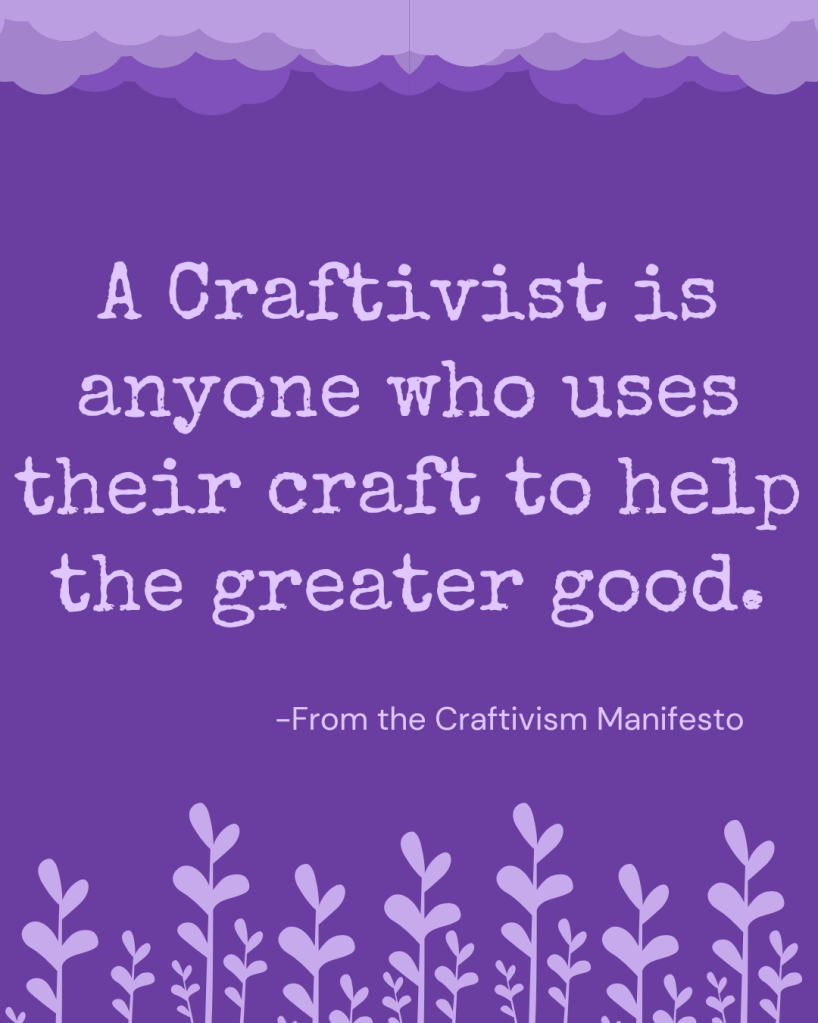
“A craftivist is anyone who uses their craft to help the greater good.”
— The Craftivism Manifesto
That’s what I want to do now: use what I can do to contribute to the greater good. As I explore the history of craftivism, I’ve found stories that offer real hope. Hope for a better, safer, more just world.
So, I’ve decided to share what I learn.
A New Weekly Series
Starting now, I’ll be posting a regular series, at least once a week, featuring stories of craftivists—past and present. Individuals, collectives, quiet acts of resistance, bold public works. My hope is that these stories will inspire you the way they’ve inspired me. And that maybe, if you’re feeling overwhelmed too, they’ll help you see ways to channel your creativity into something powerful.
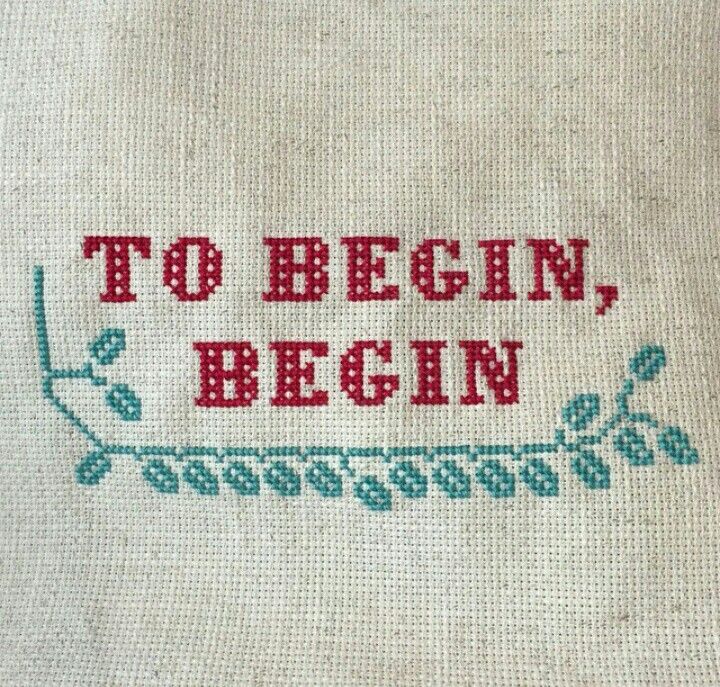
Each week, I’ll highlight a craftivist, group, or project. If you want to follow along, I’ll post updates on my Bluesky profile and create a growing resource page here on WordPress. I’d also love to connect with others—whether you’re just discovering craftivism or you’ve been doing this work for years. Building community is part of the work.
Learn More About Major Casdagli
- The man who took on the Nazis with a needle – Red Cross
- Subversive Finds – Make: Magazine
- My father stitched up the Nazis – The Guardian
Craftivism Resources
- Let’s Move the Needle: An Activism Handbook for Artists, Crafters, Creatives, and Makers by Shannon Downey
- The Craftivist Collective
- Craftivist Manifesto
Want to share Craftivists I need to know about?
Message me on Bluesky or email at fraydikat@gmail.com. Especially if you have info on Black, immigrant, and trans craftivists, since those voices do not always receive the same amplification, but all suggestions are welcome.


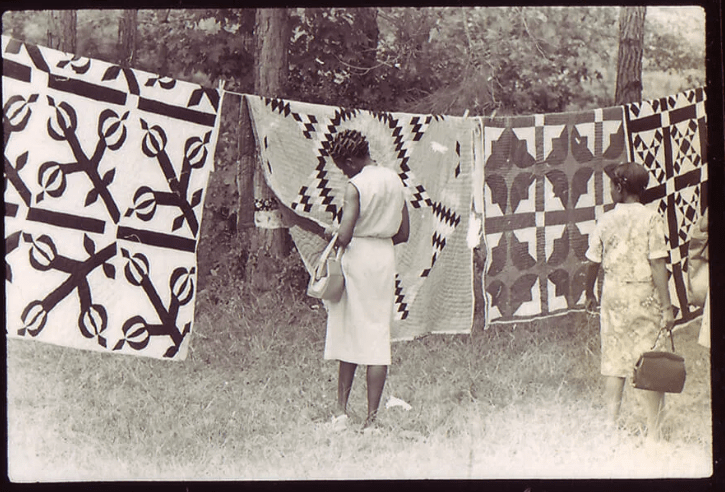
 Fray Dikat Studio
Leave a comment