Why do I craft? Well, the biggest reason is that I always have—I can’t not create. But over the years, I’ve also learned that crafting is one of the best ways for me to manage my anxiety, which is severe. And, as it turns out, science backs this up!
So, I’d like to share a bit about why crafting helps me with anxiety, but also dive into the research that supports the idea that creating is genuinely good for you.
The Science of Crafting and Mental Health
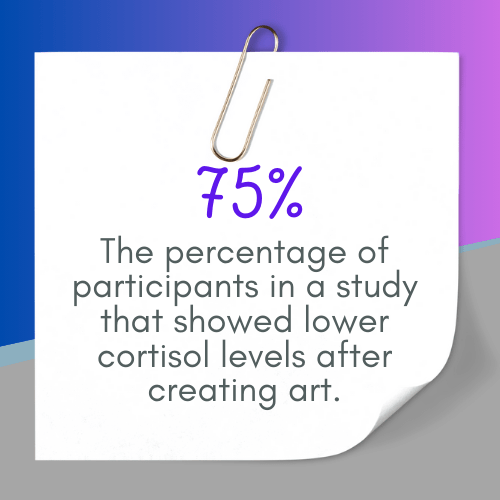
A 2016 study at Drexel University found that 75% of participants showed lower cortisol levels—the stress hormone—after creating art. It didn’t matter what kind of art they made, their gender, or their race. The act of creating itself was enough to reduce stress. [1]
A more recent 2024 study by Keyes et al. at the Applied Social Change Hub, Anglia Ruskin University, found that engaging in creative activities significantly improved life satisfaction, increased feelings of purpose, and boosted overall happiness—beyond what could be predicted by demographic factors. [2]
Princeton University even has a whole page dedicated to how fiber arts, like knitting, crocheting, and embroidery, benefit both mental and physical health. [3]
Crafting and My Own Journey
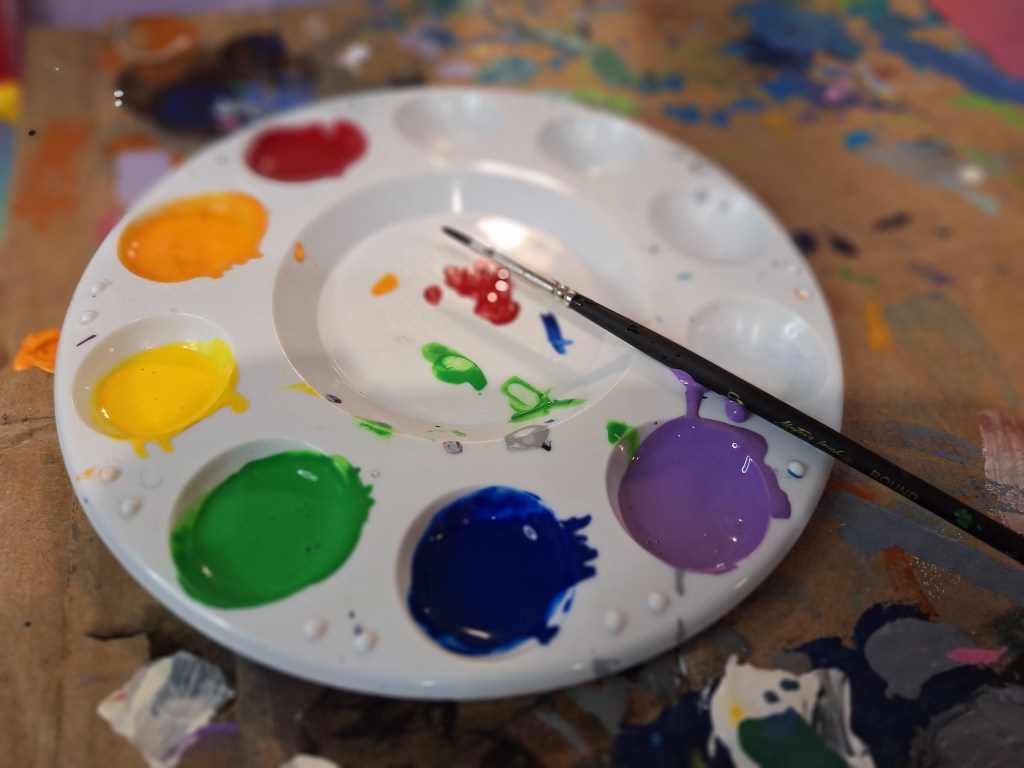
Growing up, I was surrounded by arts and crafts. Several family members were artisans, selling their work at craft fairs and festivals. My grandmother taught me the basics of crochet when I was very young, and I dabbled in all sorts of creative activities because I loved trying new things.
But it wasn’t until after I experienced a traumatic brain injury (TBI) during my military service that crafting became an essential part of my life. I started crocheting and sewing more regularly—not just as a hobby, but as a form of self-care.
Research suggests that art therapy programs, when introduced early, reduce the risk of developing more severe PTSD symptoms later on. [4] That resonates deeply with me. Crafting became a way for me to process emotions, stay present, and regain a sense of control over my life.
The Joy of Creating
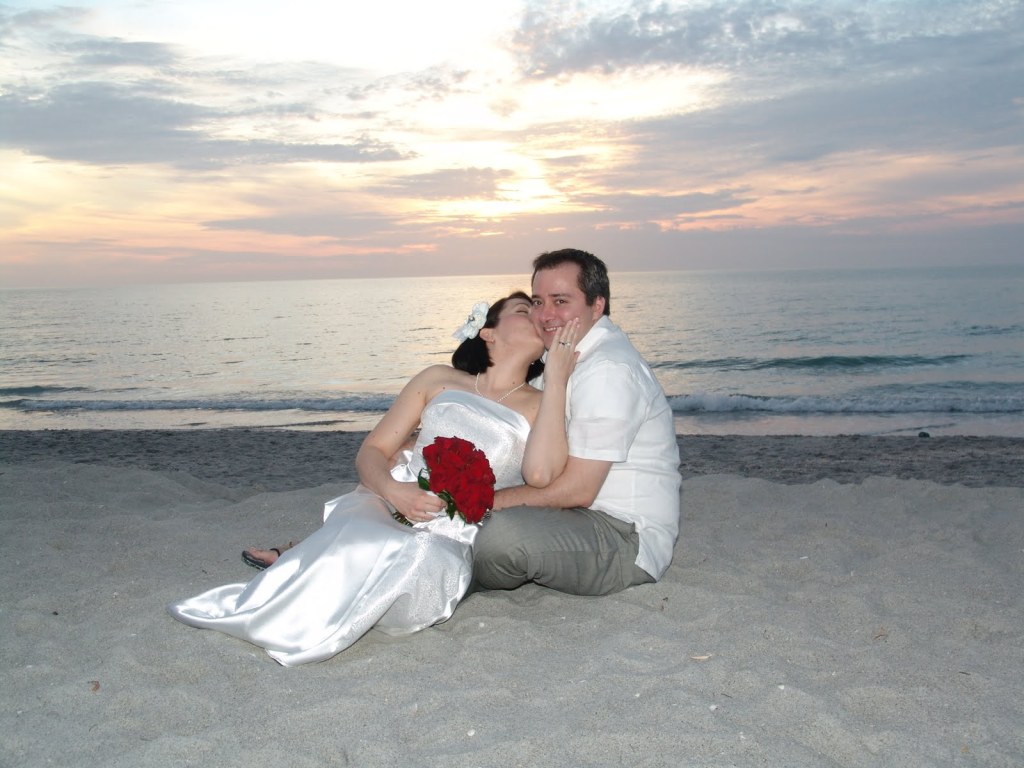
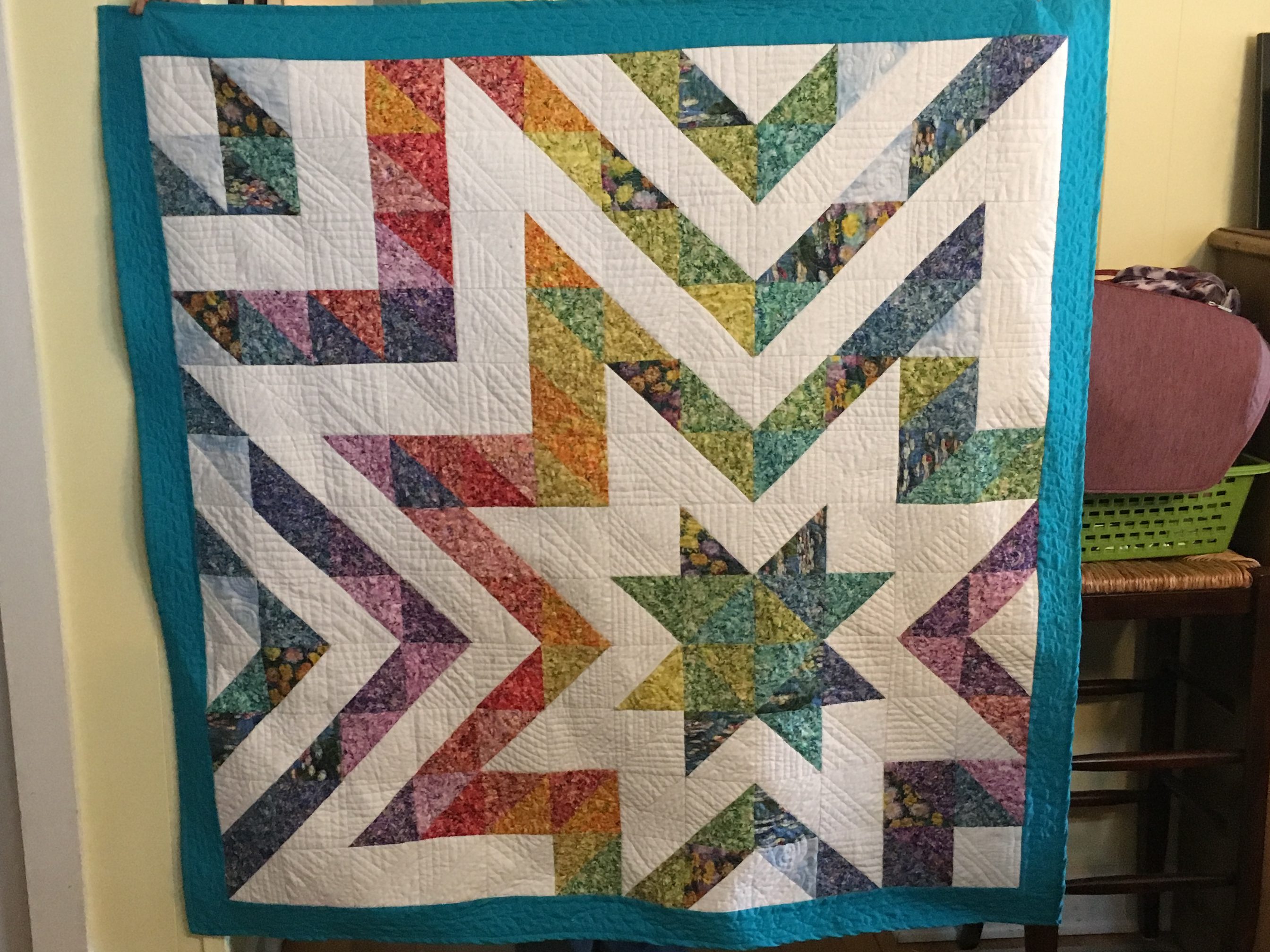
I still remember the excitement of first using a sewing machine to make a fleece poncho for fall. The feeling of wearing something I made was incredible. Since then, I’ve sewn clothes, made baby outfits, crafted my own wedding dress, and even taught myself how to quilt. There’s something about holding a finished project in your hands—a tangible result of your creativity—that is so life-affirming.
Turns out, that feeling isn’t just in my head. It’s dopamine—the brain’s feel-good chemical. Creating something, whether it’s a painting, a quilt, or a piece of pottery, encourages the brain to release dopamine. This is especially important for those of us dealing with anxiety and depression. And for neurodivergent individuals, engaging in creative activities has been shown to be particularly effective at boosting mood and reducing stress. [7]
Art as Therapy for Veterans and Neurodivergent Individuals

There are so many incredible programs that use art and craft to help people heal. The Patriot Art Foundation offers classes for veterans both online and in VA hospitals. [5] Organizations like VETART [6] and the NEA Military Healing Arts Network [7] also provide creative therapy programs specifically for those who have served in the military.
Beyond veterans, art therapy has been shown to help people with ADHD, learning disabilities, and autism by stimulating the brain, boosting serotonin, and lowering stress levels. [8]
Final Thoughts
Art and crafting aren’t just hobbies—they’re powerful tools for mental health, personal growth, and healing. Whether it’s knitting, painting, woodworking, or sewing, engaging in a creative activity can help lower stress, boost dopamine, and even improve long-term mental well-being.
So if you’ve ever thought about picking up a creative hobby, this is your sign to do it. Your brain will thank you!
Sources
- Drexel University Study – Cortisol and Art
- Keyes et al. 2024 – Creativity and Well-being
- Princeton University – Crafting and Mental Health
- Early Art Therapy and PTSD
- Patriot Art Foundation
- VETART
- NEA Military Healing Arts Network
- Art Therapy for Neurodivergent Individuals


 Fray Dikat Studio
Leave a comment